Yes, as a matter of fact, kitties are very important in common human lives, from Gods in Ancient Egypt to pets in our days.
There are a lots of data about cats, let’s compute it with Wolfram Language
There are a lots of data about cats, let’s compute it with Wolfram Language
First, lets see what our commom daily oraculous Wikipedia have to tel about it:
In[]:=
CellPrint[TextCell[#,"Text"]&/@Most[TextSentences[WikipediaData["International Cat Day"]]]]
International Cat Day is a celebration which takes place on 8 August of every year.
It was created in 2002 by the International Fund for Animal Welfare.
It is a day to raise awareness for cats and learn about ways to help and protect them.
In 2020 custodianship of International Cat Day passed to International Cat Care, a not-for-profit British organization that has been striving to improve the health and welfare of domestic cats worldwide since 1958.
And more about the lovely domestic cats:
In[]:=
CellPrint[TextCell[#,"Text"]&/@Take[TextSentences[WikipediaData["Domestic cat"],10]]]
The cat (Felis catus) is a domestic species of small carnivorous mammal.
It is the only domesticated species in the family Felidae and is commonly referred to as the domestic cat or house cat to distinguish it from the wild members of the family.
Cats are commonly kept as house pets but can also be farm cats or feral cats; the feral cat ranges freely and avoids human contact.
Domestic cats are valued by humans for companionship and their ability to kill vermin.
About 60 cat breeds are recognized by various cat registries.
The cat is similar in anatomy to the other felid species: it has a strong flexible body, quick reflexes, sharp teeth, and retractable claws adapted to killing small prey like mice and rats.
Its night vision and sense of smell are well developed.
Cat communication includes vocalizations like meowing, purring, trilling, hissing, growling, and grunting as well as cat-specific body language.
Although the cat is a social species, it is a solitary hunter.
As a predator, it is crepuscular, i.e. most active at dawn and dusk.
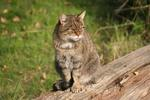
How it looks like, it seems my old grandpa cat:
In[]:=
Out[]=
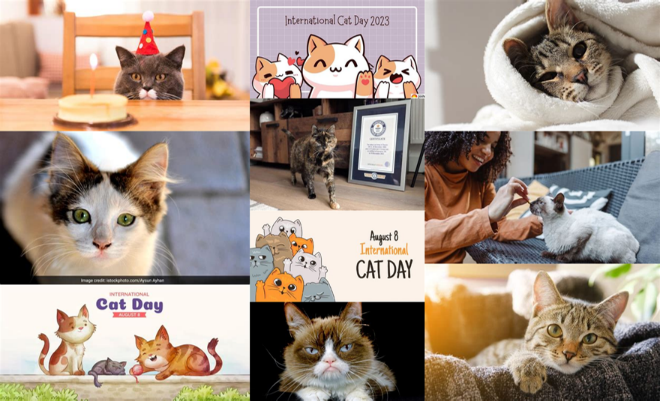
What we can find at web images search too:
In[]:=
ImageCollage[WebImageSearch["International Cat Day"]]
Out[]=
There are WEB APIs for everything nowadays! And about cats too, facts and breeds:
In[]:=
Dataset[Import["https://catfact.ninja/docs/api-docs.json","RawJSON"]]
Out[]=


Let’s get some random cat facts by WEB API:
In[]:=
CellPrint[TextCell[#,"Item"]&/@Table[Import["https://catfact.ninja/fact","RawJSON"][["fact"]],10]]
◼
Phoenician cargo ships are thought to have brought the first domesticated cats to Europe in about 900 BC.
◼
A cat's field of vision is about 200 degrees.
◼
Unlike dogs, cats do not have a sweet tooth. Scientists believe this is due to a mutation in a key taste receptor.
◼
A cat can jump up to five times its own height in a single bound.
◼
The lightest cat on record is a blue point Himalayan called Tinker Toy, who weighed 1 pound, 6 ounces (616 g). Tinker Toy was 2.75 inches (7 cm) tall and 7.5 inches (19 cm) long.
◼
Cats have individual preferences for scratching surfaces and angles. Some are horizontal scratchers while others exercise their claws vertically.
◼
While many parts of Europe and North America consider the black cat a sign of bad luck, in Britain and Australia, black cats are considered lucky.
◼
It is estimated that cats can make over 60 different sounds.
◼
Fossil records from two million years ago show evidence of jaguars.
◼
The first commercially cloned pet was a cat named "Little Nicky." He cost his owner $50,000, making him one of the most expensive cats ever.
And we get a dataset of cat breeds from the WEB API too:
In[]:=
Dataset[Import["https://catfact.ninja/breeds","RawJSON"]]["data"]
Out[]=


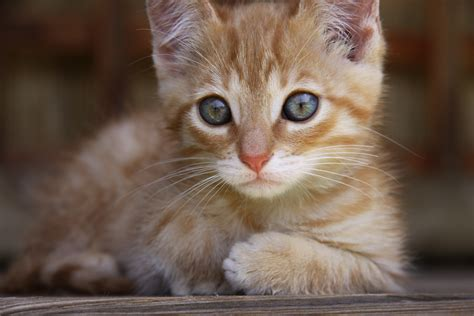
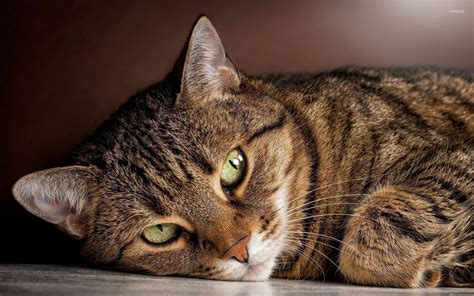
Using a random search of cat images, to identify what is in the images by an AI supper function:
In[]:=
{#,ImageIdentify[#]}&/@WebImageSearch["cat"]//Grid
Out[]=

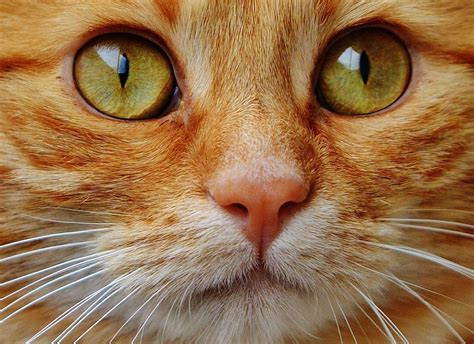
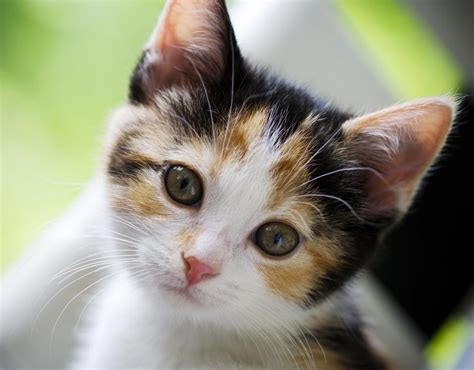
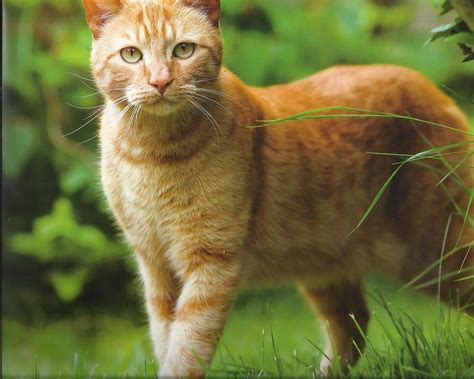
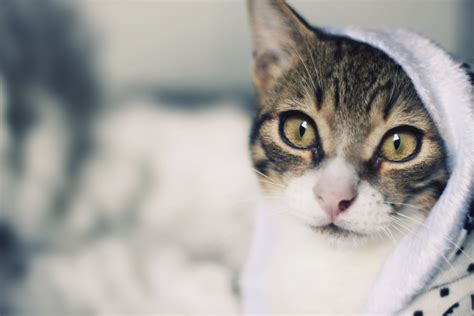
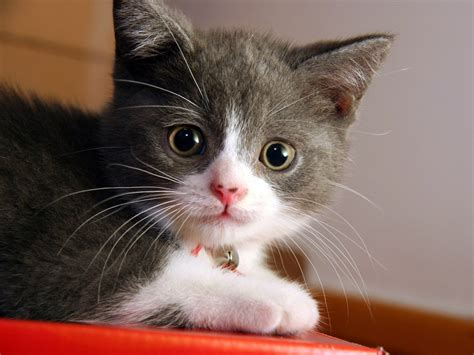

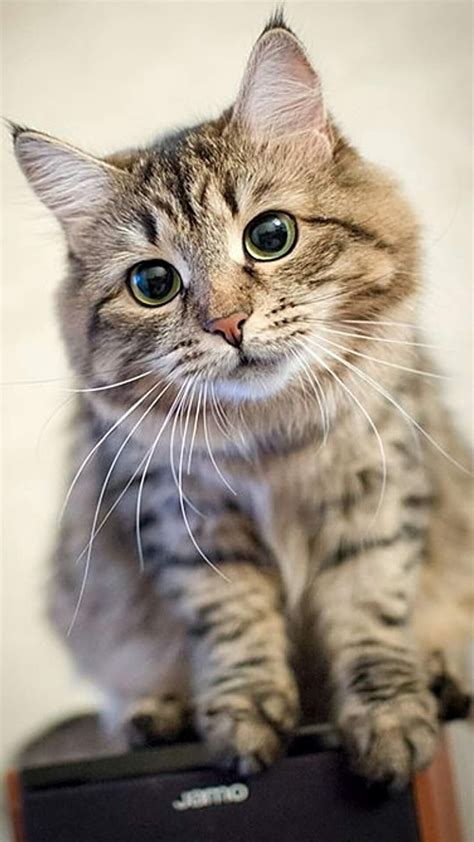
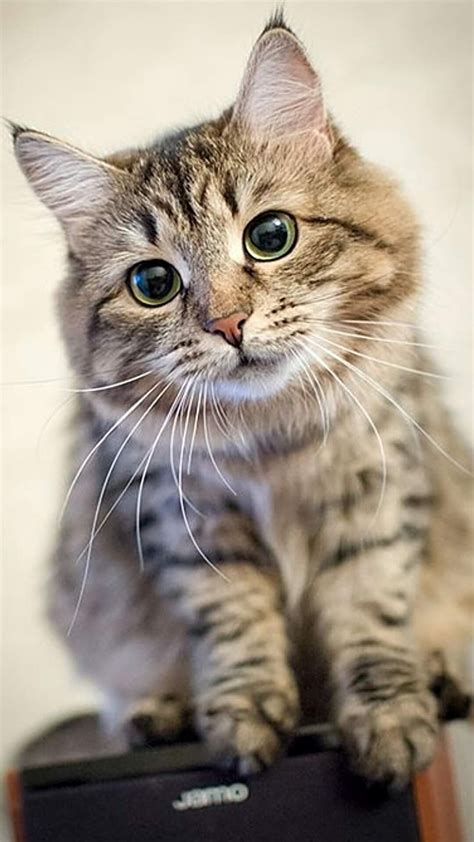
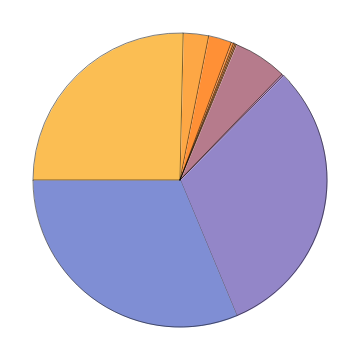
As most AI functions works statistically, lets check what the cat looks like for a machine:
In[]:=
ImageIdentify
,All,10,"Probability",SpecificityGoal->1
Out[]=
0.750038,0.0822751,0.0752803,0.00812732,0.00483151,0.00442006,0.175931,0.00579906,0.92597,0.926089
PieChart[Values[%],ChartLegends->Keys[%]]
Out[]=


We can get more random cat images from WEB APIs wrapped in Wolfram Language functions:
ResourceFunction["GetLoremFlickrImage"][]
Out[]=
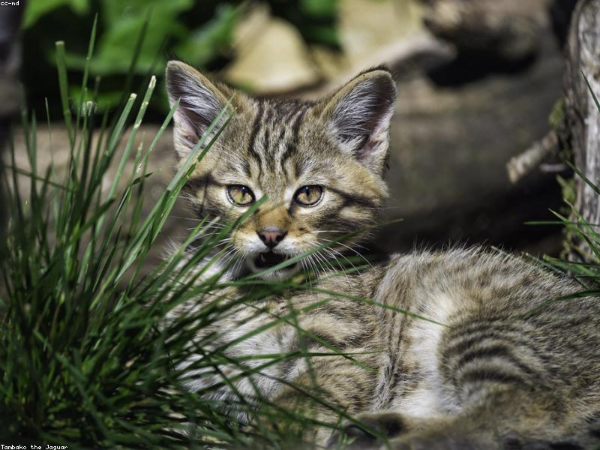
And try to check what is there in the image with another AI supper function:
ImageCases[%]
Out[]=
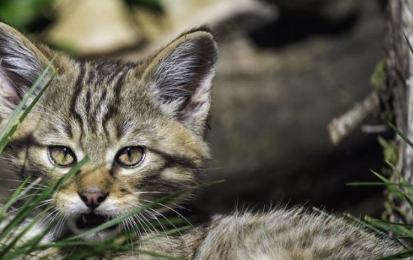
There is a cat...
In[]:=
ResourceFunction["GetLoremFlickrImage"]["cats"]
Out[]=
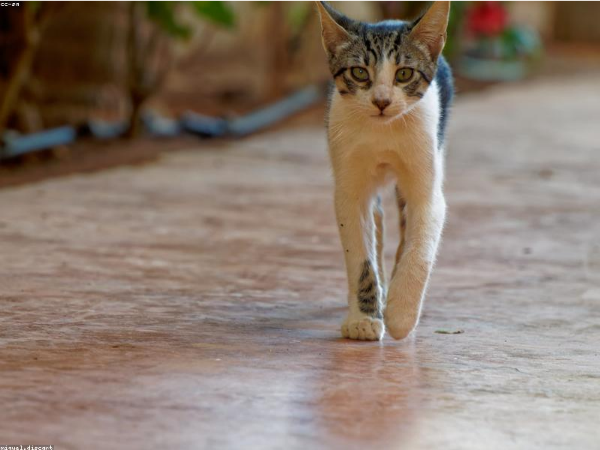
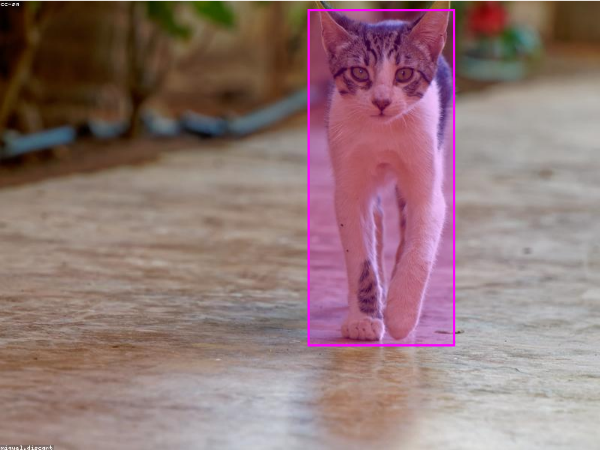
...and here it is:
catPosition=ImageBoundingBoxes[%]
Out[]=
{Rectangle[{411.266,140.875},{605.074,587.362}]}
HighlightImage[%%,Values[catPosition]]
Out[]=
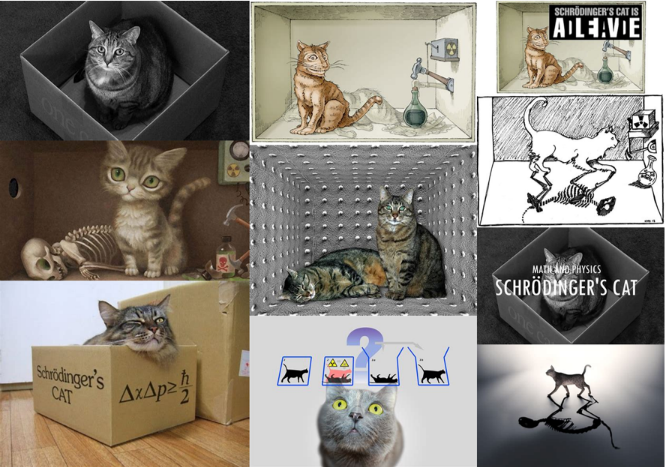
And of course we can’t forget the Schrödinger’s cat:
In[]:=
ImageCollage[WebImageSearch["Schrödinger's cat "]]
Out[]=
How can you compute imaginatively your cat with Wolfram Language?!
Share your code! Can you use AI to compute cats?
Share your code! Can you use AI to compute cats?
CITE THIS NOTEBOOK
CITE THIS NOTEBOOK
Computing Kitties at The International Cat Day
by Daniel Carvalho
Wolfram Community, STAFF PICKS, August 8, 2023
https://community.wolfram.com/groups/-/m/t/2986377
by Daniel Carvalho
Wolfram Community, STAFF PICKS, August 8, 2023
https://community.wolfram.com/groups/-/m/t/2986377