Linguistic leaps: effective pedagogy in computational communication
by Lybrya Kebreab
University of Central Florida
by Lybrya Kebreab
University of Central Florida
This notebook is designed to be an introductory lesson to set the stage for students to learn the ways in which mathematical epidemiologists can use differential equations to help society. Using Wolfram 13.1’s new feature, QAFormNotebook or Question Notebook, students explore various Wolfram Language (WL) functions in order to analyze a system of differential equations. Set within an authentic historic context, WL is used to empower students with methods for using multiple representations to paint increasingly more complete stories of infectious disease dynamics. This post explicates the evidence-based, pedagogical flow of a lesson within the accompanying Wolfram Question Notebook as students learn to leap back and forth linguistically between natural and computational language.
The Purpose: Slow Down Now, Speed Up Later
The Purpose: Slow Down Now, Speed Up Later
Many students struggle with the transition between advanced high school mathematics courses and early, college-level Calculus courses. Often, this phenomenon can be attributed more to their fluency with algebraic communication and computation than with their conceptual knowledge of Calculus concepts (Sadler & Sonnert, 2017). Using Wolfram technologies for algebraic communication and computational support, college professors have the opportunity to ease this transition for students as they implement effective mathematical discourse instructional strategies to explore Calculus concepts. When instructors slow down and take the time to understand how students are making sense of Calculus concepts, they can facilitate conversations that take students’ disparate ideas and/or approaches and align them with canonical understandings about the nature of mathematics (Stein et al., 2008). With two decades of experience in education (K-16), the claim I make in this post is that slowing down to engage in purposeful mathematical discourse towards building conceptual understanding at the start of a unit often results in the ability to speed up later with computational fluency at the end.
Setting the Stage
Setting the Stage
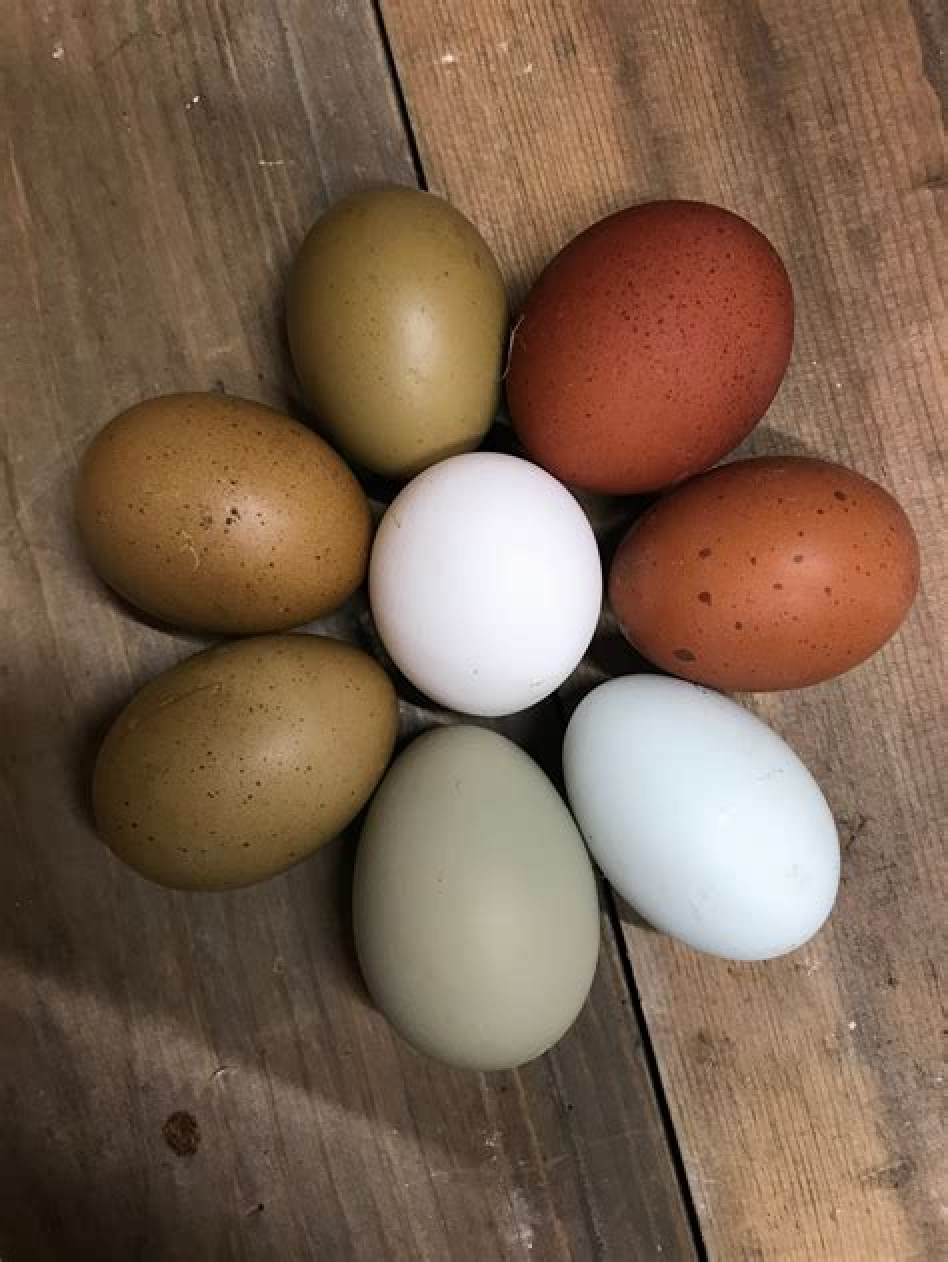
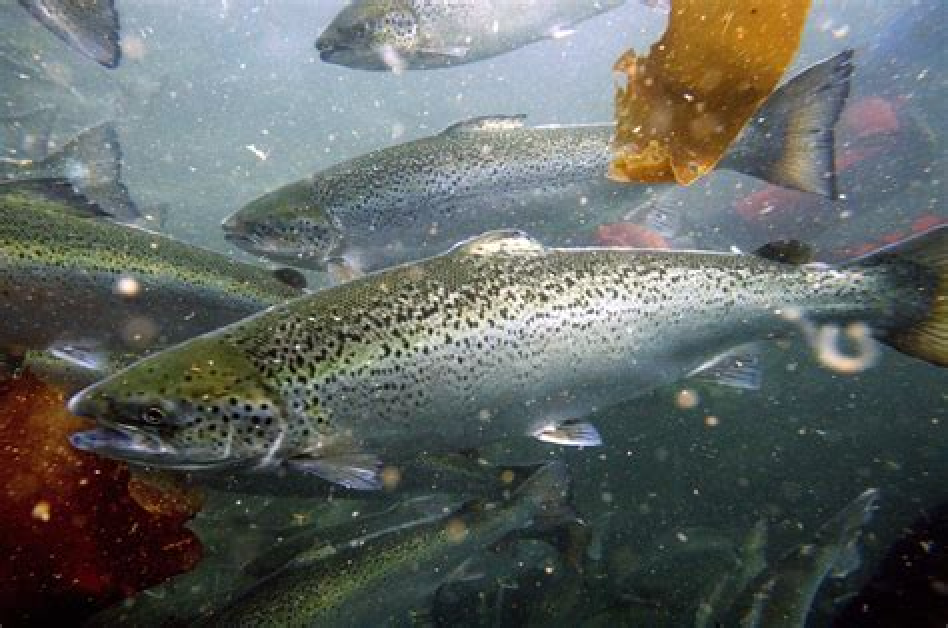
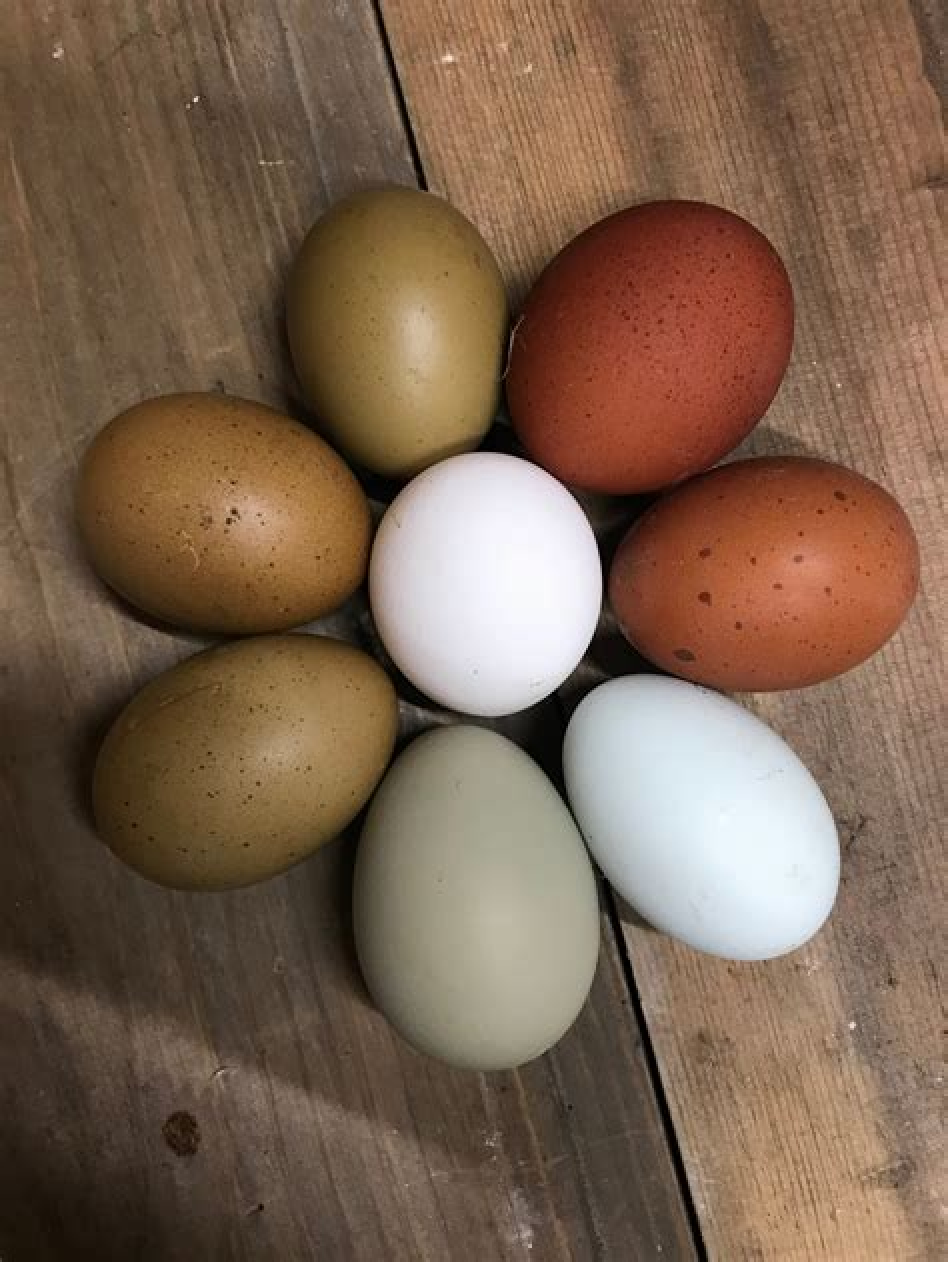
What does it mean to slow down? In the attached notebook, students are invited into an authentic historical context which allows for multiple ideas and perspectives about what is important to the study of the dynamics of infectious disease spread. The first student data collection point asks them to offer their own understanding of salmonella, the bacteria that causes typhoid fever. Here, the code allows for all answers to be correct and offers visual aids as support. The surprise event is that a typhoid fever outbreak in Trinidad and Tobago in the 1970s was caused by contaminated ice cream!
In[]:=
QuestionObjectQuestionInterface"ChooseMultiple",<|"Prompt"->"Which of these images do you associate with the word 'salmonella'? Choose all that apply.","Choices"->Column"salmon",
,Column"water",
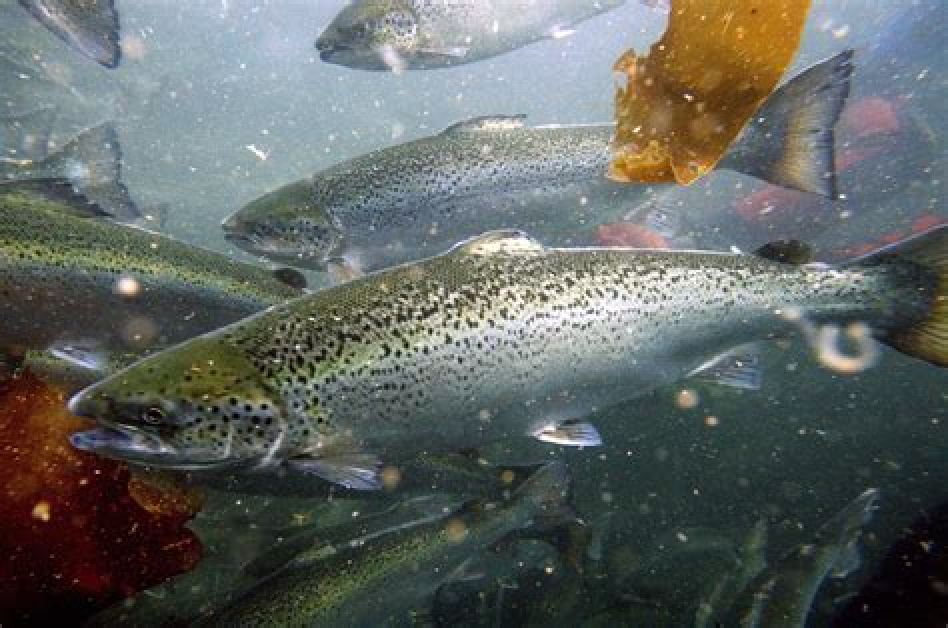
,Column"rooster",

,Column"ice cream",

,Column"beef",

,Column"eggs",

,"ChoiceOrdering"->Identity|>
Out[]=




After listening to a brief historical context, students are now primed for a discussion about how mathematical epidemiology can be used to help mitigate the spread of infectious diseases . They are tasked to quickly research general knowledge about typhoid fever (via a link provided in a student-facing notebook) and then make decisions regarding which information is useful to study the dynamics of the spread of this disease. Again, students are positioned as capable knowers and doers of mathematics (NCTM, 2018) with a simple set of questions using a short answer question object in the QAFormNotebook with all answers accepted as correct.
Prompt for students: “Please submit 3 unique facts you think are important for mathematical epidemiologists to know when they are studying the dynamics of the spread of typhoid fever.”
QuestionObject["Submit Fact 1 here",True]QuestionObject["Submit Fact 2 here",True]QuestionObject["Submit Fact 3 here",True]
Algebraic Communication and Computation in WL
Algebraic Communication and Computation in WL
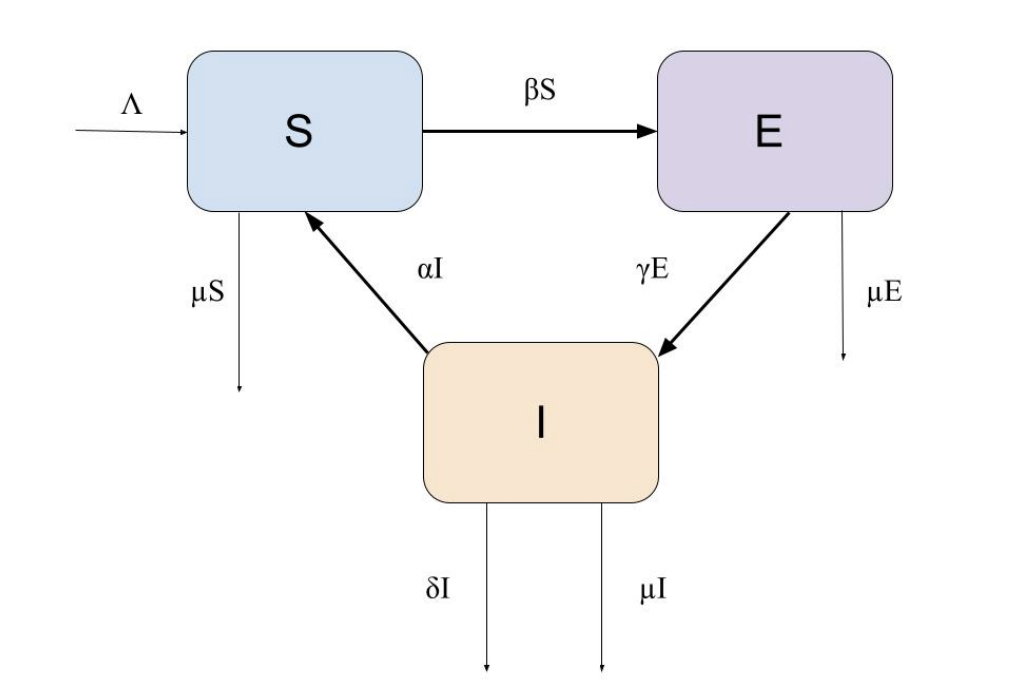
Now that students have engaged in tasks that build their confidence and support the development of a positive mathematics identity (Kebreab et al., 2021; NCTM, 2018), instructors can offer students explorations that show, not tell, the intellectual need for effective communication and computation methods (Harel, 2013). Pedagogically, WL offers students the ability to make conjectures, errors, etc. safely as they debate with evidence their reasoning for various mathematical decisions. For instance, they can look at the two representations below of sample system of differential equations, used as the object of mathematical discourse, and argue for the merits and drawbacks of each respective means of communication. Providing students with opportunities to make connections within and among representations is a powerful pedagogical practice for building conceptual understanding (Huinker, 2015).
In[]:=
system={s'[t]==Λ-β*s[t]-μ*s[t]+α*i[t],e'[t]==β*s[t]-(γ+μ)*e[t],i'[t]==γ*e[t]-(α+μ+δ)*i[t]};Column[system]//TraditionalForm
Out[]//TraditionalForm=
′ s |
′ e |
′ i |
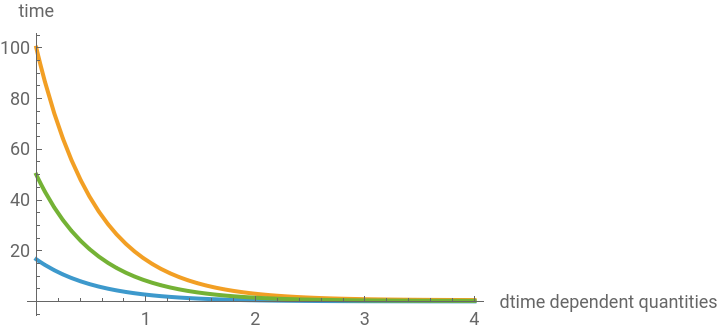
Further, WL allows students to play with mathematical storytelling. Using dynamic objects, students are able to change the “plot”, so to speak, of the story about the end behavior of disease spread mathematically. Because WL has already solved the system, students are given access to productive struggle as they move sliders to connect computational representations with dynamic graphs about a particular case, namely typhoid fever spread in Trinidad and Tobago. They can find equilibria, analyze stability, etc., as WL supports computations in matrix algebra. Here students again can work within and among representations to discover the language of the discipline of mathematical epidemiologists as they examine the effects of parameters on the dynamics of infectious disease spread.
In[]:=
dsol=DSolve[{[t]Λ+αi[t]-βs[t]-μs[t],0-((γ+μ)e[t])+βs[t],0γe[t]-(α+δ+μ)i[t],s[0]==everyone},{s[t],e[t],i[t]},t];{esol,isol,ssol}={e[t],i[t],s[t]}/.dsol[[1]];With[{esolLocal=esol,isolLocal=isol,ssolLocal=ssol},Manipulate[Plot[{isolLocal,ssolLocal,esolLocal},{t,0,4},PlotRange->All,PlotLegends->{"infected","susceptible","exposed"},AxesLabel->{"dtime dependent quantities","time"}],{{everyone,100,"Size of initial population"},0,1000},{{β,1,"Transimission Rate (β)"},0,10},{{γ,1,"Infection Rate (γ)"},0,10},{{μ,1,"Natural Death Rate (μ)"},0,10},{{δ,1,"Disease-Induced Death Rate (δ)"},0,10},{{α,1,"Recovery Rate (α)"},0,10},{{Λ,1,"Population Growth Rate (Λ)"},0,10}]]
′
s
Out[]=




In[]:=
With[{sLoc=sSol,eLoc=eSol,iLoc=iSol},Manipulate[Show[ParametricPlot3D[{sLoc[t],eLoc[t],iLoc[t]},{t,0,time},PlotRange->zoom{{-1,1},{-1,1},{-1,1}},AxesLabel->{"Susceptible","Exposed","Infected"}],Graphics3D[{PointSize[0.05],Red,Point[{sLoc[0],eLoc[0],iLoc[0]}],Orange,Point[{sLoc[time],eLoc[time],iLoc[time]}]}]],{{β,.086},0,1},{{γ,.185},0,1},{{α,.378},0,1},{{δ,.085},0,1},{{μ,.2},0,1},{s0,1,2},{e0,1,2},{i0,1,2},{time,.1,100},{zoom,1,4}]]
Concluding remarks
Concluding remarks
The purpose of this post was to show, not tell, how using Wolfram technologies can support effective mathematical discourse as students transition from high school to college concepts. Students enter school as children excited to explore their inchoate mathematical conceptions and ideas as they work with social others to refine them into canonical mathematical ideas. However, by the time students are transitioning from high school to college mathematics, they are often required to perform too many crude computations (NCTM, 2014) which are best done by computers in WL. My hope is that this post creates a word-picture in the minds of instructors which elucidates several possibilities for providing students with the instructional experiences they deserve in mathematics classrooms over their entire learning journey (Huinker et al., 2020).
Keywords
Keywords
◼
mathematical discourse
◼
storytelling and mathematics
◼
student-centered learning and teaching
◼
mathematical communication and computation
◼
effective mathematics teaching practices
◼
mathematical explorations
◼
multiple representations mathematics
Acknowledgment
Acknowledgment
Thank you to my mentor, AnneMarie for the many hours spent teaching me how to speak the Wolfram Language, then slowly supporting my growth thereof. I am lucky to have you as a mentor. Thanks to Craig for the support in “fancy-ing up” the coding to share my mathematical knowledge translated into computational language. And to everyone in the WSS Slack for all your ideas and supports in keeping me on pace for learning. Even though I don’t say much there, you have made WSS22 a super fun learning experience. Lastly, thanks to Mads (interview) and Emily (WSS22 onboarding) for this opportunity to learn and become a more effective educator.
References
References
◼
Harel, G. (2013). Intellectual need. Vital Directions for Mathematics Education Research, 119-151.
◼
Huinker, D. (2015). Representational competence: A renewed focus for classroom practice in mathematics. Wisconsin Teacher of Mathematics, 67(2), 4-8.
◼
Huinker, D., Bush, S. B., & Graham, K. J. (2020). Catalyzing Change in School Mathematics: Creating the Opportunities Our Students Deserve. Mathematics Teacher: Learning and Teaching PK-12, 113(10), 780-790.
◼
Kebreab, L., Bush, S. B., & Jackson, C. (2021). Leveraging student identities to develop pedagogical fluency. Mathematics Teacher: Learning and Teaching PK-12, 114(12), 948-955.
◼
NCTM, N. C. (2014). Principles to actions: ensuring mathematical success for all. Reston, VA: National Council of Teachers of Mathematics.
◼
NCTM. (2018). Catalyzing change in high school mathematics: Initiating critical conversations. Reston, VA: National Council of Teachers of Mathematics.
◼
Sadler, P. M., & Sonnert, G. (2017). Factors influencing success in introductory college calculus. The role of calculus in the transition from high school to college mathematics.
◼
Stein, M. K., Engle, R. A., Smith, M. S., & Hughes, E. K. (2008). Orchestrating productive mathematical discussions: Five practices for helping teachers move beyond show and tell. Mathematical thinking and learning, 10(4), 313-340.