Part II: Intelligence and Implications
Part II: Intelligence and Implications
Introduction to Machine Intelligence
Outline for Today’s Lecture
Outline for Today’s Lecture
Machine Intelligence: A Philosophical View
Machine Intelligence: A Philosophical View
Information Search as a Pathway to Intelligence
Information Search as a Pathway to Intelligence
Machine Intelligence
Machine Intelligence
Humans are known to be intelligent. What makes us intelligent?
Humans are known to be intelligent. What makes us intelligent?
◼
◼
◼
◼
◼
◼
◼
Answers from previous semesters
◼
Answers from others beyond the ECE101 class
Can machines also be intelligent?
Can machines also be intelligent?
◼
Yes
◼
No
◼
Undecided
As intelligent as humans?
As intelligent as humans?
◼
Yes
◼
No
More intelligent than humans? Why or why not?
More intelligent than humans? Why or why not?
◼
Yes
◼
No
◼
Why do you think so?
◼
◼
Answers from others:
Are the following “intelligent”? (Straight-forward cases)
Are the following “intelligent”? (Straight-forward cases)
Calculator
Calculator
Your laptop
Your laptop
Are the following “intelligent”? (Less straight-forward cases)
Are the following “intelligent”? (Less straight-forward cases)
Search engine--e.g. Google
Search engine--e.g. Google
Rocket
Rocket
Self driving car
Self driving car
ChatGPT
ChatGPT
When Can We Say a Machine is Surely Intelligent?
When Can We Say a Machine is Surely Intelligent?
What would be an acceptable success metric?
If you did not know who was behind the screen ...
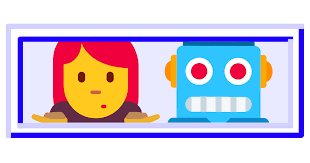
The Turing Test
The Turing Test
◼
Created by Alan Turing
◼
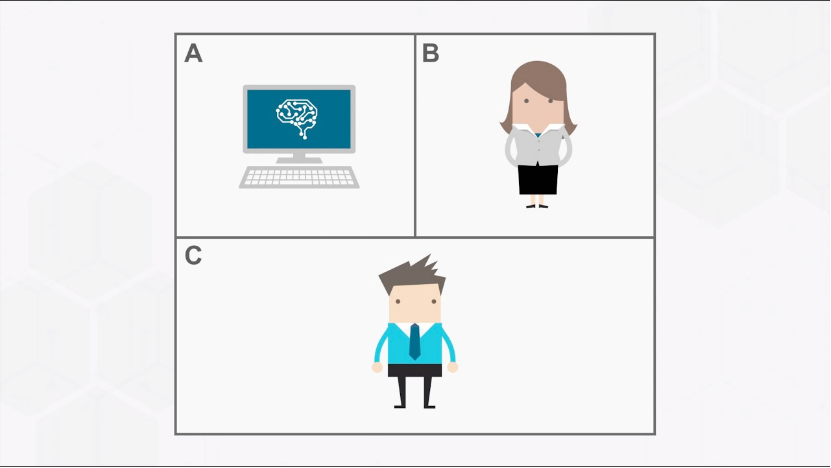
The Imitation Game: A computer can be said to possess artificial intelligence if it can mimic human responses under specific conditions.
◼
The Turing Test was broken by ChatGPT: https://humsci.stanford.edu/feature/study-finds-chatgpts-latest-bot-behaves-humans-only-better
◼
What questions can we ask to find out if it is a machine or a human?
Examples of what the Machine could not do (Until Recently)
Examples of what the Machine could not do (Until Recently)
◼
◼
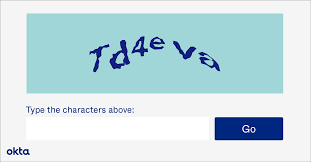
Computers could not identify oddly written text.
◼
◼
Identify things in an image
In[]:=
ImageIdentify
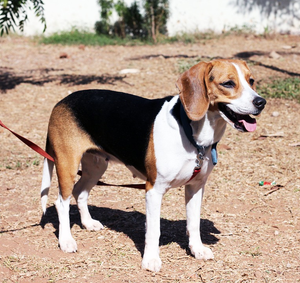
In[]:=
ImageContents
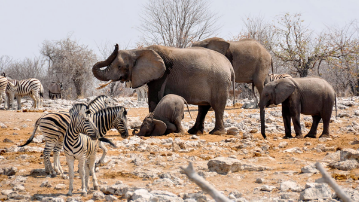
◼
What do you hear in this sound clip?
AudioIdentify
What would you ask to find out if it was a human or not?
What would you ask to find out if it was a human or not?
◼
◼
◼
◼
What is Intelligence Then?
What is Intelligence Then?
◼
Subject of much investigation.
◼
Claim: Search is fundamental to intelligence
Best Tic Tac Toe move
Best Tic Tac Toe move

What is in this image?
What is in this image?
◼
Cat or dog?
◼
Object recognition has been an important part of computer vision for decades.
◼
◼
Best recognizers now use search, appear intelligent
If machines can solve search problems quickly, they can appear intelligent.
Challenge for you
Challenge for you
Can you come up with a problem that can’t be solved by search?
Can you come up with a problem that can’t be solved by search?
◼
◼
◼
Web Search
Web Search
So much content scattered over the edge of the Internet.
◼
Given a topic, how can I find the most relevant and interesting pages?
◼
What if you don’t know they exist?
◼
Search for them! Look everywhere!
◼
Web search was the “killer app” for networks of workstations, a predecessor of the modern datacenter.
◼
A company named Inktomi had the best technology (and most of the market),
◼
But Google bought the company that invented the idea of selling ads for search responses.
How does web search work?
How does web search work?
◼
Alice searches with phrase P
◼
Search engine finds
◼
a large set of scattered documents D
◼
that contain P or are relevant to P:
◼
D = {d1, d2, …, d203}
◼
Search engine rank orders D by “relevance”:
◼
D = {d17, d185, d23, d29, …, d12}
◼
"relevance" could depend on the searcher
◼
History of Nike (history professor) -> Greek goddess
◼
History of Nike (political scientist) -> Nike missile
◼
History of Nike (social media influencer) -> Nike shoes
◼
Show results of search quickly
Wednesday: Anatomy of a Search Engine
Wednesday: Anatomy of a Search Engine