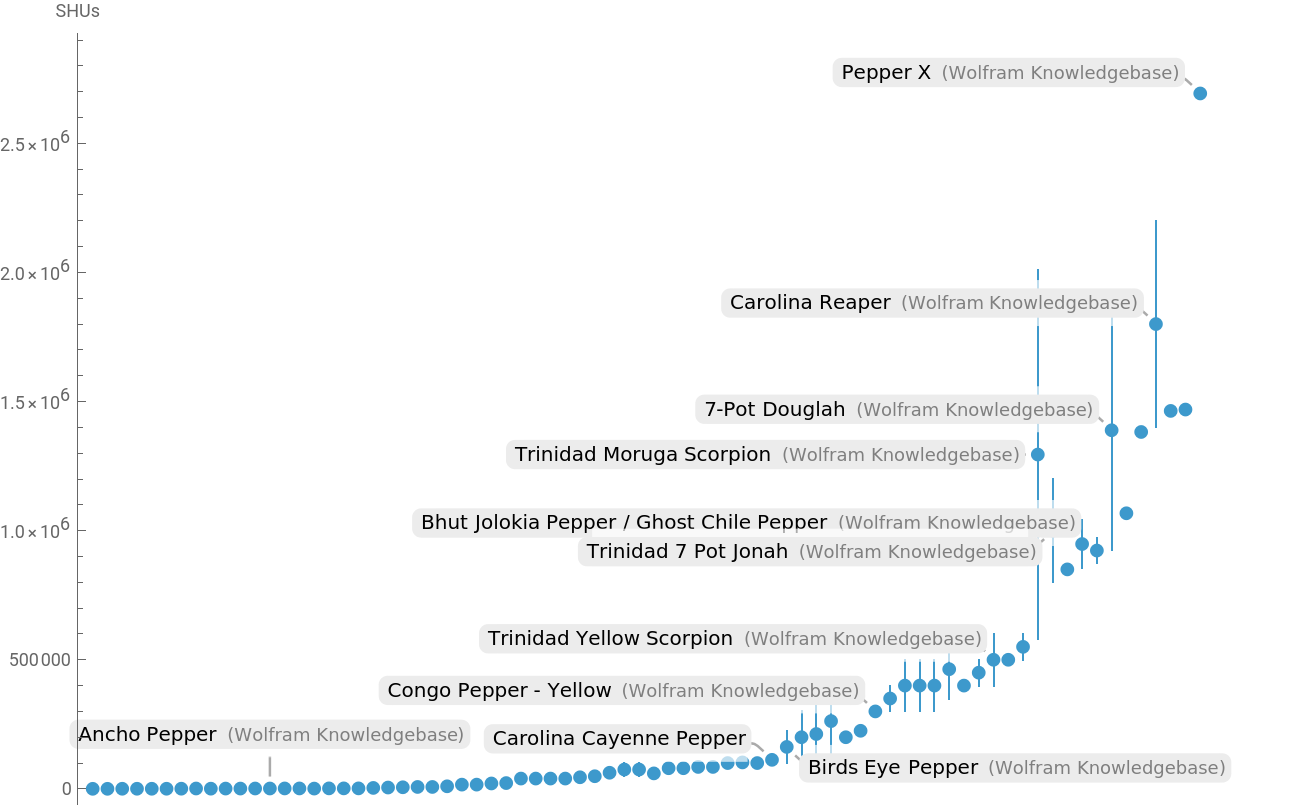
Pepper X is the hottest pepper in the world, according to Guinness World Records. With a rating of almost 2.7 million Scoville heat units (SHU), Pepper X took the top spot previously held by the Carolina Reaper pepper, with an average 1.6 million SHU. Scoville ratings for both record-breaking peppers are included in the latest release of the Wolfram Knowledgebase.
Gentle heat to scorching hot
Gentle heat to scorching hot
The Scoville scale ranks the spiciness (or pungency) of peppers by measuring the amount of the chemical compound capsaicin in the pepper. Capsaicin is the main bioactive compound in peppers and acts as a defense mechanism against herbivore predators.
Scoville ratings for 76 pepper varieties are available, ranging from gentle heat to scorching hot:
In[]:=
peppers=Entity["Food",{EntityProperty["Food","FoodTypeGroup"]->Entity["FoodTypeGroup","Peppers"],EntityProperty["Food","Variety"]->Entity["FoodVariety","Spicy"]}]["Entities"];peppersScovilleRatingAssoc=DeleteMissing[AssociationMap[EntityValue[#,"ScovilleRating"]&,peppers]];meanInterval[Interval[{a_,b_}]]:=Mean[{a,b}]sortedPeppers=Dataset@ReverseSortBy[peppersScovilleRatingAssoc,meanInterval]
Out[]=


In[]:=
ListPlot[Sort[peppersScovilleRatingAssoc],ImageSize->600,AxesLabel->"SHUs",Axes{False,True},PlotRange->All]
Out[]=
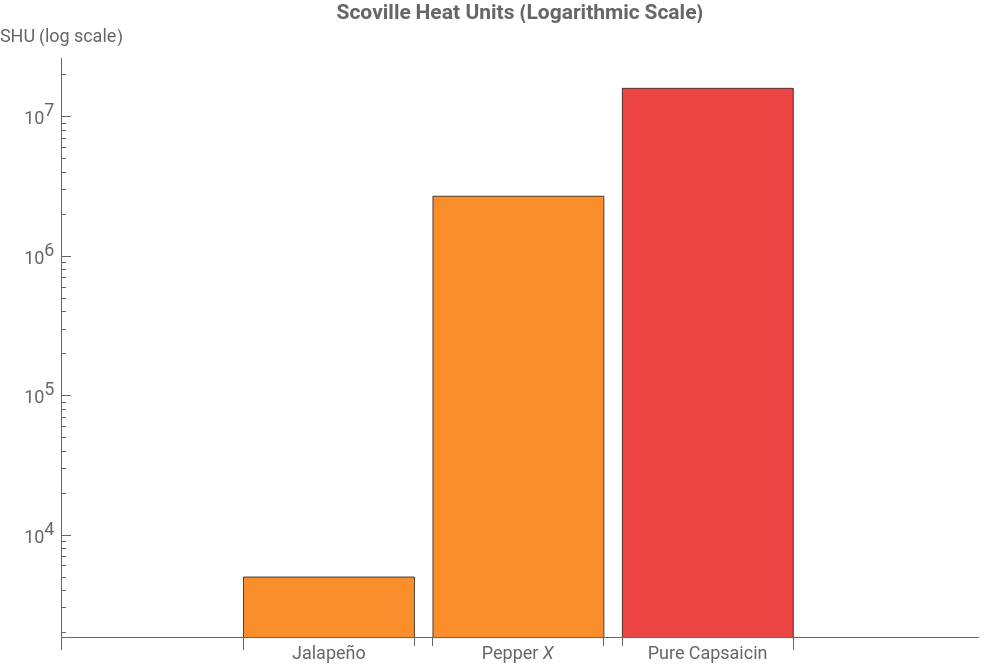
Pure capsaicin is 16 million SHUs, making it six times hotter than Pepper X and 3,000 times hotter than a jalapeño pepper:
heatData=<|"Jalapeño"->5000,"Pepper X"->2693000,"Pure Capsaicin"->16000000|>;BarChartValues[heatData],
Out[]=
Why water doesn’t help
Why water doesn’t help
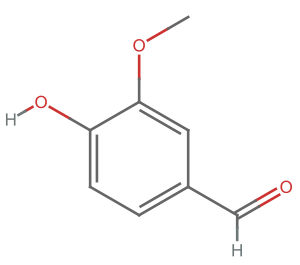
Capsaicin is a member of the vanilloid family, along with vanillin (vanilla), zingerone (ginger) and eugenol (clove):
In[]:=
Labeled[MoleculePlot[#,ImageSize->150],Column[{#,Molecule[#]["ChemicalFormula"]}]]&/@,,,//Row
Out[]=
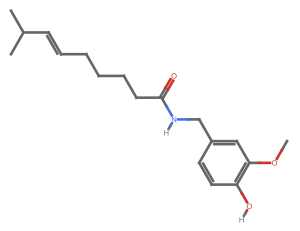
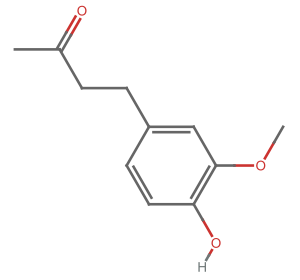
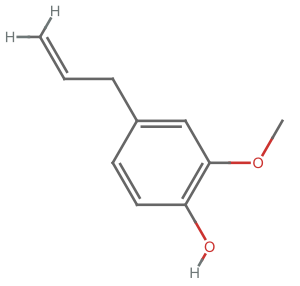
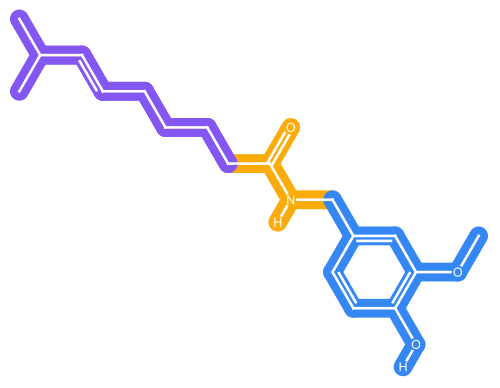
Capsaicin’s hydrophobic side chain makes the molecule largely insoluble in water:
In[]:=
polarAromaticGroup=MoleculePattern["c1cc(O[H])c(OC)cc(C)1"];amideBond=MoleculePattern["CC(=O)N([H])C"];hydrophobicSideChain=MoleculePattern["CCCC/C=C/CC"];RowMoleculePlotMolecule,{amideBond,polarAromaticGroup,hydrophobicSideChain},ImageSize->250,PlotLegends->{"Amide bond","Polar aromatic group","Hydrophobic side chain"},MoleculePlot3DMolecule,{amideBond,polarAromaticGroup,hydrophobicSideChain},ImageSize->250
Out[]=


That’s why drinking water does not relieve the burning sensation when you eat spicy foods. In fact, the water spreads the capsaicin inside your mouth, activating even more pain receptors. However, capsaicin is fat-soluble, so it can be dissolved with high-fat dairy foods such as milk and yogurt.
Get the total fat content in 8oz dairy servings:
In[]:=
dairyFoods={"whole milk","two percent milk","full fat yogurt","ice cream"};dairyFoodEntities=Interpreter["Food"][dairyFoods];dairy8ozSvg=EntityInstance[#,Quantity[8,"Ounces"]]&/@dairyFoodEntities;Dataset[AssociationThread[dairyFoods,Round[N[EntityValue[dairy8ozSvg,"AbsoluteTotalFatContent"]]]]]
Out[]=
Nightshade cousins
Nightshade cousins
Explore species data for peppers in the Wolfram Knowledgebase:
In[]:=
EntityValue,{"ScientificName","Height","NaturalLifeCycle","SunRequirements"},"PropertyAssociation"
Out[]=
ScientificNameCapsicum,Height,NaturalLifeCycle,SunRequirements
In[]:=
DatasetEntityValue,"TaxonomicSequence"
Out[]=
The taxonomic sequence reveals that peppers (Capsicum) are in the nightshade family. Compare nutrient composition with other nightshade family members:
Fire and spice
Fire and spice
Build your own fiery spice blend and have the Wolfram LLM create a recipe with your custom combination of capsaicin:
CITE THIS NOTEBOOK
CITE THIS NOTEBOOK
Peppers and the heat of the nightshade: capsaicin chemistry, SHU scaling, and Solanaceae taxonomy
by Gay Wilson
Wolfram Community, STAFF PICKS, February 20, 2026
https://community.wolfram.com/groups/-/m/t/3642486
by Gay Wilson
Wolfram Community, STAFF PICKS, February 20, 2026
https://community.wolfram.com/groups/-/m/t/3642486