Heat Diffusion through Different Materials
Heat Diffusion through Different Materials


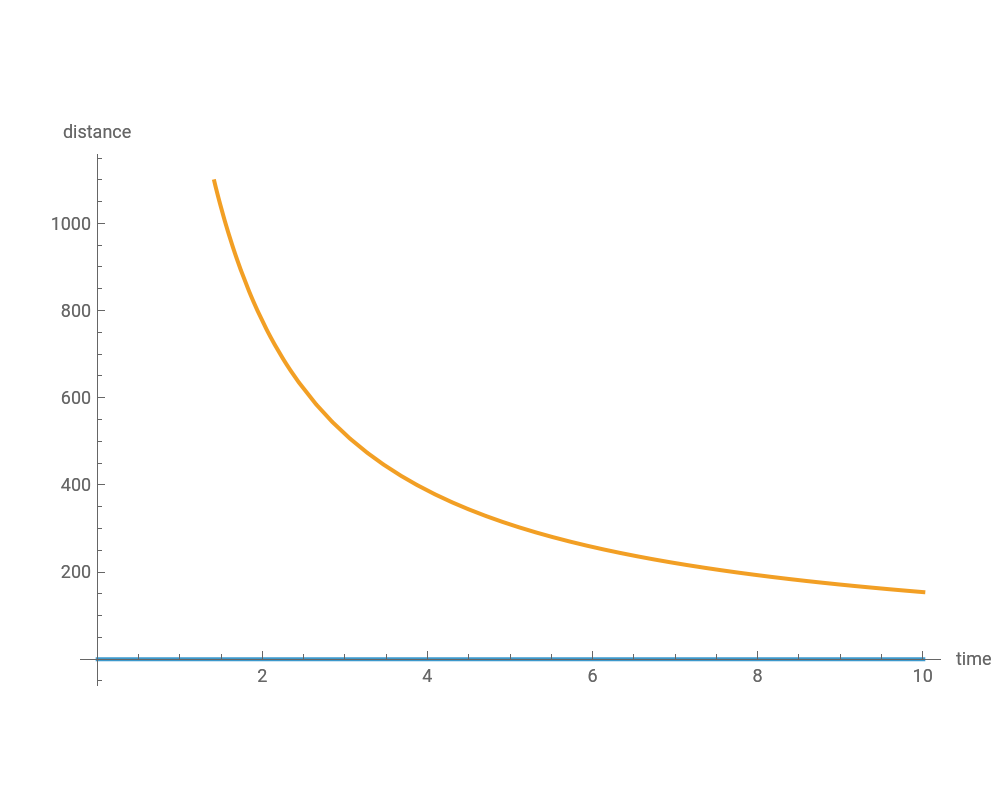
This Demonstration shows the relationship between the temperatures of materials with different thermal conductivity at different distances along the length of the sample as a function of time when exposed to a source of heat (a small flame at 800 degrees Celsius). The axis is the distance in meters. As distance increases, the temperature decreases, as it is further from the flame. The axis is the temperature of the material at the specified distance on the axis. The third slider is the melting point, which determines the distance from the flame at which the material melts, as shown by the horizontal line.
k
x
y
x
Details
Details
Snapshot 1: material with a low melting point and a low thermal conductivity with a very short time; the material melts quickly and at a very low temperature
m
k
Snapshot 2: material with a higher value and higher melting point, and it has been exposed to the heat for a longer period of time; the material will require a higher temperature to melt, but will melt much more of the material because of the extended exposure and still relatively low value
k
k
Snapshot 3: material with a very high melting point and a high value, and it has been exposed to the heat for a longer period of time; not as much of the material will melt, despite the longer exposure, and it requires a higher temperature to even get the material heated up farther from the source
k
References
References
[2] TutorVista. "Heat Transfer Formula." (May 28, 2014) formulas.tutorvista.com/physics/heat-transfer-formula.html.
External Links
External Links
Permanent Citation
Permanent Citation
Kaitlin Lewallen, Minh Pham
"Heat Diffusion through Different Materials"
http://demonstrations.wolfram.com/HeatDiffusionThroughDifferentMaterials/
Wolfram Demonstrations Project
Published: June 3, 2014